Dysthymia Treatment in East Delhi | Dr. Aanchal Miglani
Some forms of depression do not arrive as a sudden crisis; they settle in quietly and stay for years, making low mood feel like a personality trait rather than a treatable condition. If this sounds familiar, dysthymia treatment in East Delhi at Veyra Care, under Dr. Aanchal Miglani, focuses on identifying this long-standing pattern and addressing it properly.
Dr. Miglani has worked with dysthymia disorder cases for over 7 years, building more than 10 individualised care plans for patients across East Delhi who had often gone years without a clear diagnosis. Many arrive describing themselves as “just a low-energy person,” only to discover a genuinely treatable pattern underneath.
What Is a Dysthymia Disorder?
A dysthymia disorder, clinically known as persistent depressive disorder, involves a low, flat mood lasting two years or more in adults (one year in children and teens), without the symptom-free gaps seen in typical depression. According to Veyra Care data, persistent depressive disorder affects roughly 1.5% of adults in a given year and around 2.5% over a lifetime, making it far more common than most people realise.
- Low mood or low energy present most days for two years or more
- Difficulty feeling motivated, even during otherwise positive periods
- Low self-esteem or persistent self-critical thinking
- Trouble concentrating or making everyday decisions
- A sense that “this is just how I am,” masking a treatable condition
When Should You Seek Dysthymia Treatment?
Because symptoms are milder than major depression, many people delay seeking a dysthymia disorder specialist for years, often normalising the low mood entirely.
- Chronic low mood that has lasted two years or longer
- Occasional sharper depressive episodes layered on top of the low mood
- Reduced productivity or motivation that feels permanent
- Sleep or appetite changes that have become long-standing
- Thoughts of hopelessness, which need prompt attention; the Veyra Care helpline (09818033789) is available 24x7 across India
How Dysthymia Presents Across Patients
Persistent depressive disorder shows up differently depending on age and history, which is why dysthymia treatment guidelines call for individual assessment rather than a single approach for every patient.
Dysthymia in Adults
Long-standing low mood affecting work performance and relationships, often mistaken for a fixed personality trait.
Dysthymia in Teens and Young Adults
Chronic irritability or low mood lasting a year or more, sometimes affecting school performance and friendships.
Double Depression
A major depressive episode occurring on top of existing dysthymia, requiring adjusted treatment intensity.
High-Functioning Dysthymia
Patients who appear to manage daily responsibilities outwardly while privately experiencing constant low-grade depression.
Each case is approached individually, ensuring that care remains safe, relevant, and supportive.
Let's Connect
Our Approach to Treating Dysthymia
Detailed Assessment
Mapping how long symptoms have lasted and how they differ from typical depression.
Clinical Evaluation
Confirming a dysthymia disorder diagnosis through structured psychiatric assessment.
Personalised Treatment Plan
Combining therapy, lifestyle changes, including dysthymia treatment exercise routines, and medication where needed.
Monitoring & Follow-Up
Tracking gradual improvement, since chronic low-grade depression often responds slowly at first.
Why Treating Dysthymia Early Matters
Because dysthymia disorder symptoms feel familiar rather than alarming, many patients wait years before visiting a dysthymia treatment clinic in East Delhi, often after the condition has shaped major life decisions.
- Noticeable improvement in motivation and daily functioning over time
- Reduced risk of a major depressive episode developing on top of dysthymia
- Better recognition of long-standing patterns that felt “normal” before
- Improved relationships once chronic irritability or withdrawal eases
- A renewed sense that lasting change is genuinely possible
Patients often describe the biggest shift not as feeling dramatically different overnight, but as slowly realising that the low-grade heaviness they had accepted for years was never permanent.

Why Choose Dr. Aanchal Miglani for Dysthymia Care
Dysthymia disorder specialists need patience, since chronic low-grade depression rarely responds overnight.
- Careful distinction between dysthymia and standalone major depression
- A realistic dysthymia treatment plan, including therapy and lifestyle structure
- Attention to double depression when major episodes appear alongside dysthymia
- A steady, supportive approach suited to slow but lasting progress
- Ongoing follow-up to track subtle improvements over months
Because progress with dysthymia tends to be gradual, regular check-ins matter just as much as the initial diagnosis.
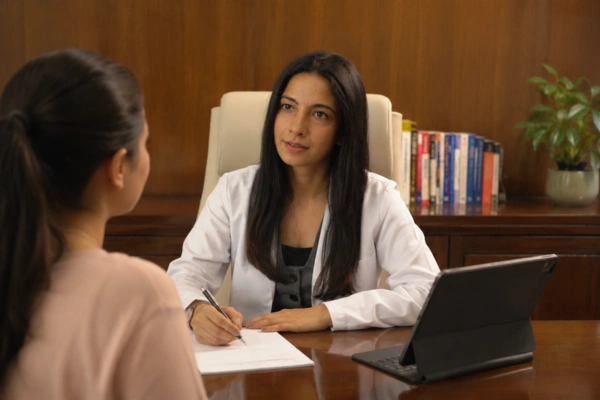
Dysthymia Support Across Different Life Stages
Persistent depressive disorder can begin in adolescence and continue, unrecognised, into adulthood. Dr. Miglani’s dysthymia disorder care in East Delhi adjusts pacing for students, working adults, and older patients, while staying alert to overlapping conditions such as depression or bipolar disorder that sometimes accompany dysthymia.
Frequently Asked Questions
Common questions about dysthymia, its symptoms, and treatment options at Veyra Care.
What is dysthymia disorder?
Dysthymia, or persistent depressive disorder, is chronic low mood lasting two years or more in adults, milder than major depression but longer-lasting.
How is dysthymia different from regular depression?
Dysthymia is less intense but far more long-lasting, often making low mood feel like a personality trait rather than a condition.
Can dysthymia disorder be treated effectively?
Yes, with consistent therapy, lifestyle adjustments, and medication where needed, most patients see steady improvement over time.
Does exercise help with dysthymia treatment?
Regular activity can support mood and energy as part of a broader treatment plan, though it is not a standalone solution.
When should I visit a dysthymia disorder specialist in East Delhi?
If low mood has lasted two years or more and feels like “just who you are,” it is worth a proper evaluation.
Contact Us
Book a Consultation
If chronic low mood has quietly shaped your daily life, Dr. Aanchal Miglani at Veyra Care offers structured dysthymia treatment in East Delhi designed for steady, lasting improvement. Book your consultation today and take a confident step toward feeling more like yourself.